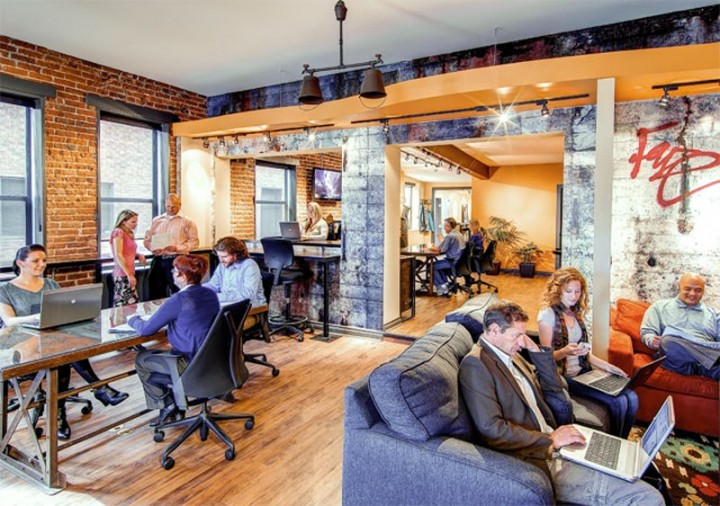
Coworking spaces win when everything feels effortless: doors open on time, desks are stable, meeting rooms stay quiet, and the environment looks sharp in every photo a member posts.
But shared workspaces also operate under a unique kind of pressure—high foot traffic, constant furniture reconfiguration, and an always-on expectation of comfort and safety.
When the building itself starts sending signals (hairline cracks, sticking doors, sloped floors, or recurring moisture), the risk isn’t just a repair bill.
It’s member confidence, churn, and operational downtime.
The smartest operators treat structural maintenance the same way they treat Wi-Fi: proactive, measurable, and addressed before it becomes a “today problem.”
That’s why, when we noticed early warning signs in a commercial unit, we hired a Grand Junction foundation repair company.

1) Why Shared Workspaces Are Uniquely Sensitive To Building Movement
In a traditional office, a small crack in drywall might go unnoticed for months.
In a coworking space, the same crack gets seen by dozens of members every day—some of whom will mention it in passing, post a photo, or quietly question the quality of the building.
Shared workspaces also change layouts frequently: desks move, phone booths get added, lounge areas get reconfigured, and event seating comes and goes.
These constant adjustments make it easier to spot uneven floors and misaligned doors, but they also highlight how small structural shifts can affect usability.
Even minor foundation movement can show up as wobbly desks, doors that won’t latch, gaps along baseboards, or cracks near windows and stairwells.
The sooner you connect these “annoyances” to a structural cause, the cheaper and less disruptive the fix usually is.
2) Early Warning Signs Operators Should Document (Before Members Do)
The biggest advantage a coworking operator has is proximity: you’re in the building daily, and you can catch patterns early.
A simple monthly walkthrough checklist can help you spot issues that tend to correlate with foundation movement:
- New or expanding cracks in drywall, especially around doors, windows, and corners.
- Doors that stick, swing open/closed on their own, or don’t align with frames.
- Floors that feel sloped, spongy, or uneven—especially in high-traffic zones.
- Gaps between trim and walls, or separation at ceiling joints.
- Recurring moisture smells, damp spots, or visible water intrusion near exterior walls.
A key habit is to document changes with dated photos from the same angle.
That turns “I think it’s worse” into proof that it is.
It also makes it easier for a structural professional to understand progression, prioritize the right areas, and avoid unnecessary exploratory work.
3) Moisture Management: The Coworking “Foundation Multiplier”
Many foundation problems accelerate when moisture is involved.
Water can alter soil conditions around a building, contribute to settlement, and create pressure against walls—especially during seasonal changes.
For shared workspaces, moisture risk often hides behind normal operations:
bathrooms with constant use, breakrooms, janitorial closets, HVAC condensate, and exterior landscaping irrigation.
A coworking operator doesn’t need to be an engineer to reduce this risk—just consistent about basics:
keep gutters and downspouts functional, direct runoff away from the building, fix leaks fast, and avoid pooling water near exterior walls.
For an authoritative baseline on flood and water intrusion risk planning, FEMA has practical guidance and preparedness resources that help operators think through water-related building exposure: ready.gov: Flood Preparedness.
4) Safety And Compliance: When “Just A Crack” Isn’t Just A Crack
Coworking spaces are hospitality businesses wearing an office suit.
If members feel unsafe—or if an incident creates a paper trail—small structural issues can become big business risks.
While local building codes and inspections vary, it’s smart to treat safety as a documented operational system:
keep records of inspections, repairs, vendor reports, and any member complaints tied to building conditions.
If you ever need to show due diligence, that documentation matters.
OSHA’s general workplace safety resources can help you shape internal practices for hazard reporting and response—especially when building issues intersect with trip hazards, maintenance work, or restricted areas: OSHA: Safety and Health Topics.
5) A Practical Response Workflow For Coworking Operators
The goal is to keep structural concerns from becoming member-facing drama.
A simple workflow makes this repeatable across locations:
- Log: Capture the issue with photos, location notes, and the date it was discovered.
- Trend: Re-check in 2–4 weeks (or sooner if rapid changes appear) and compare photos.
- Stabilize Operations: If there’s a trip hazard or obvious risk, reroute traffic or temporarily close the area.
- Consult: Bring in a qualified foundation specialist to assess cause, severity, and options.
- Communicate: If members are affected, share a calm, confident update focused on continuity: what’s happening, when, and how you’re minimizing disruption.
- Verify: Keep the final report and before/after documentation in your building file.
When you operate multiple suites or floors, consistency is everything.
Members don’t compare you to “other offices,” they compare you to the best-run spaces they’ve ever used.
A documented workflow supports that standard.
6) Planning Repairs With Minimal Downtime (And Maximum Member Trust)
Repairs don’t have to feel like chaos.
The best outcomes usually come from planning the work around member rhythms: schedule noisy phases after peak hours, batch affected zones together, and set clear expectations around access.
If your space hosts events, align repair timelines to avoid the highest-visibility dates.
And if you’re making cosmetic improvements anyway—paint, new lighting, upgraded lounge areas—bundle those with structural work so you “reopen” with a net-positive experience.
It also helps to frame structural care as part of your brand promise.
Just like strong internet and clean coffee stations signal professionalism, a well-maintained building signals that you take member experience seriously.
Quiet competence is the whole product in coworking, and foundational stability is part of that—even if nobody mentions it when it’s working.
Conclusion: The Building Is Part Of The Member Experience
Shared workspaces thrive on trust: members trust you with their focus, their clients, and their day-to-day comfort.
Structural issues can erode that trust faster than almost anything because they’re visible, persistent, and easy to misinterpret.
The operators who win long-term treat foundation health as a proactive system—documenting early signals, managing moisture, keeping safety records, and partnering with specialists before problems escalate.
In a business built on flexibility and confidence, stability is the quiet feature that protects everything else.






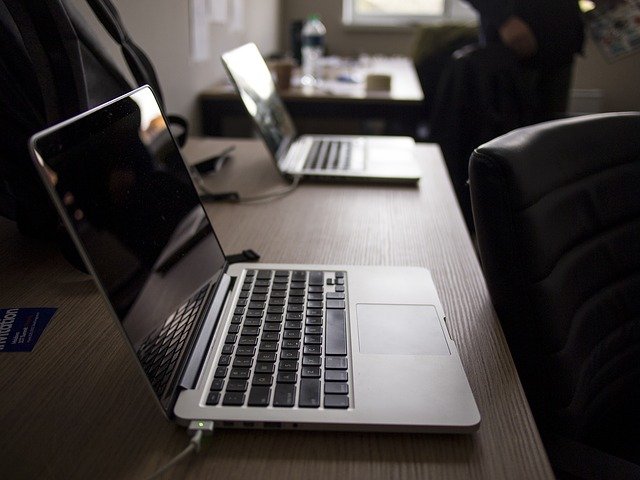 Co-working spaces have become a home to many entrepreneurs and employees for the past years. They spend most of their time working – but also eating, relaxing, and connecting with associates here. It’s a growing community everywhere. But where growth is, problems inevitably arise.

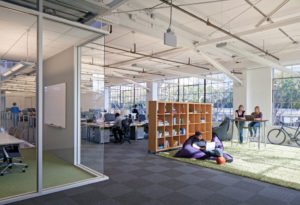 The concept of shared workspace, commonly known as co-working, is an ingenious alternative to traditional office environments. This innovative idea allows entrepreneurs and freelancers to share resources in an open workspace as opposed to the traditional cubicle or the makeshift setups in the coffee shops.
 ometimes, having like-minded individuals around will help fire up your enthusiasm and inspiration. By sharing your strategies and objectives with others, you will be held accountable for the progress of your business.